Starr Park's night shift has clocked in — and the staff dorms are open to visitors. Wander the rooms, talk to the Brawlers, and work out what Mr. P doesn't want you to find.
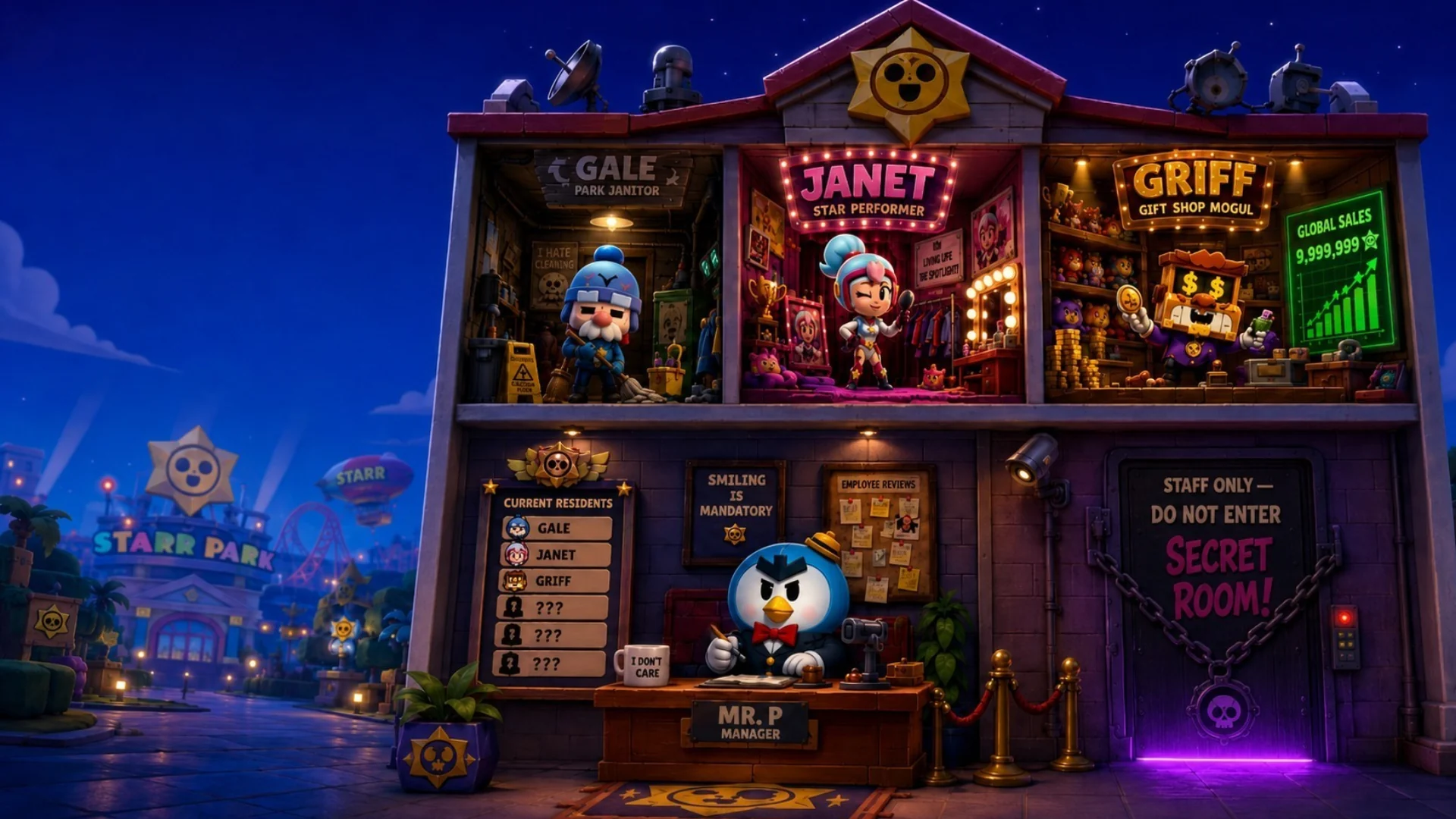
The park closes and the night shift clocks in. Gale mops. Janet rehearses. Griff counts the takings. And behind the desk, Mr. P watches everything.
Four Brawlers are checked in this season. Each has their own room, their own personality — and their own piece of what's going on at Starr Labs.
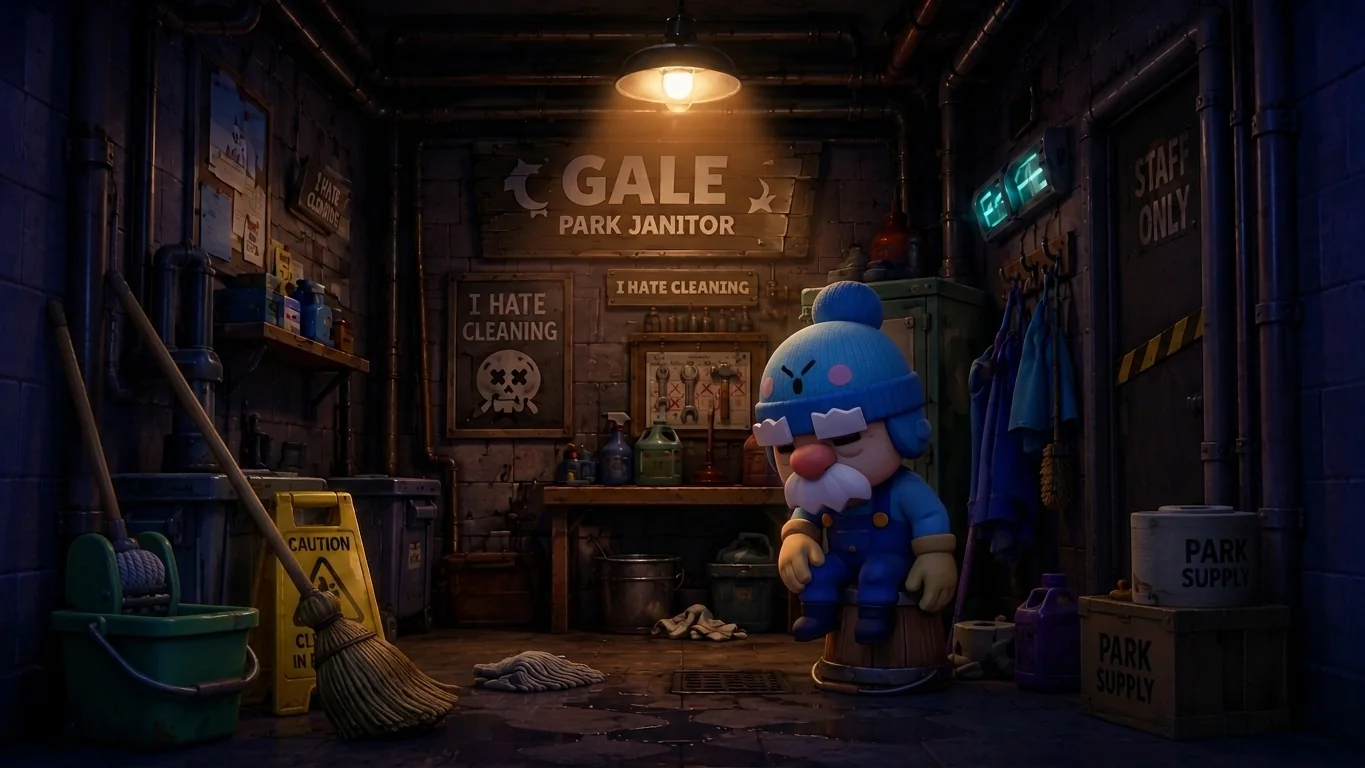
"Forty years of maintenance. Lately that includes noting which deliveries don't appear on any manifest."
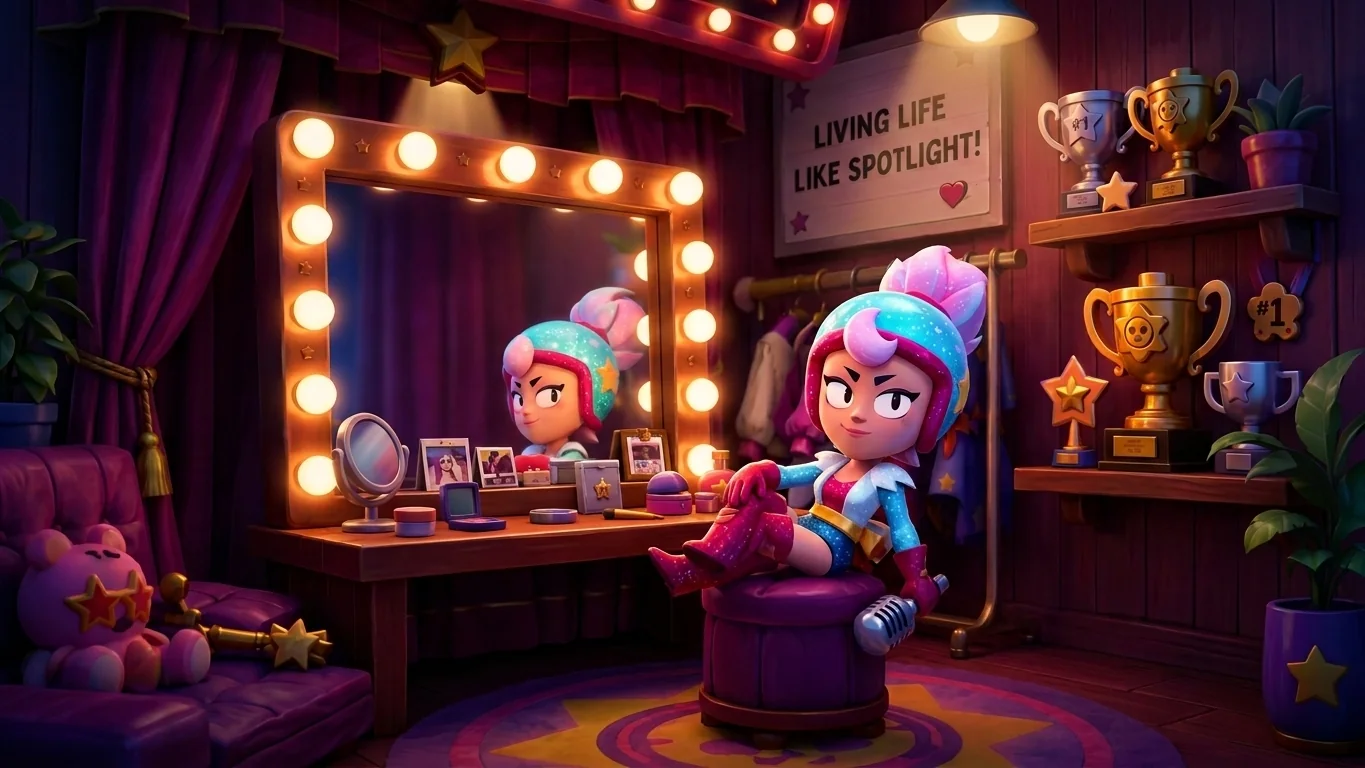
"Living life like a spotlight! …why are you asking so many questions?"
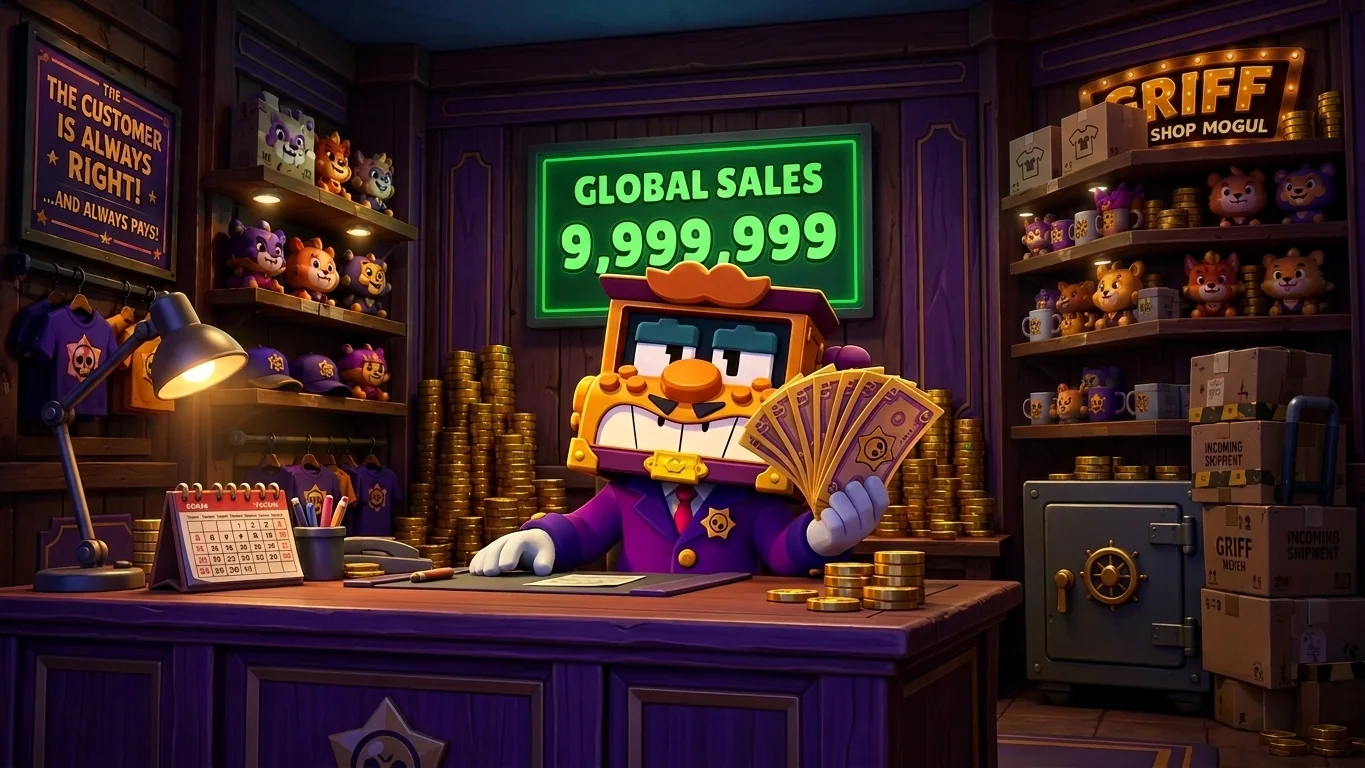
"Global sales: 9,999,999. Best not to ask exactly what we're moving."
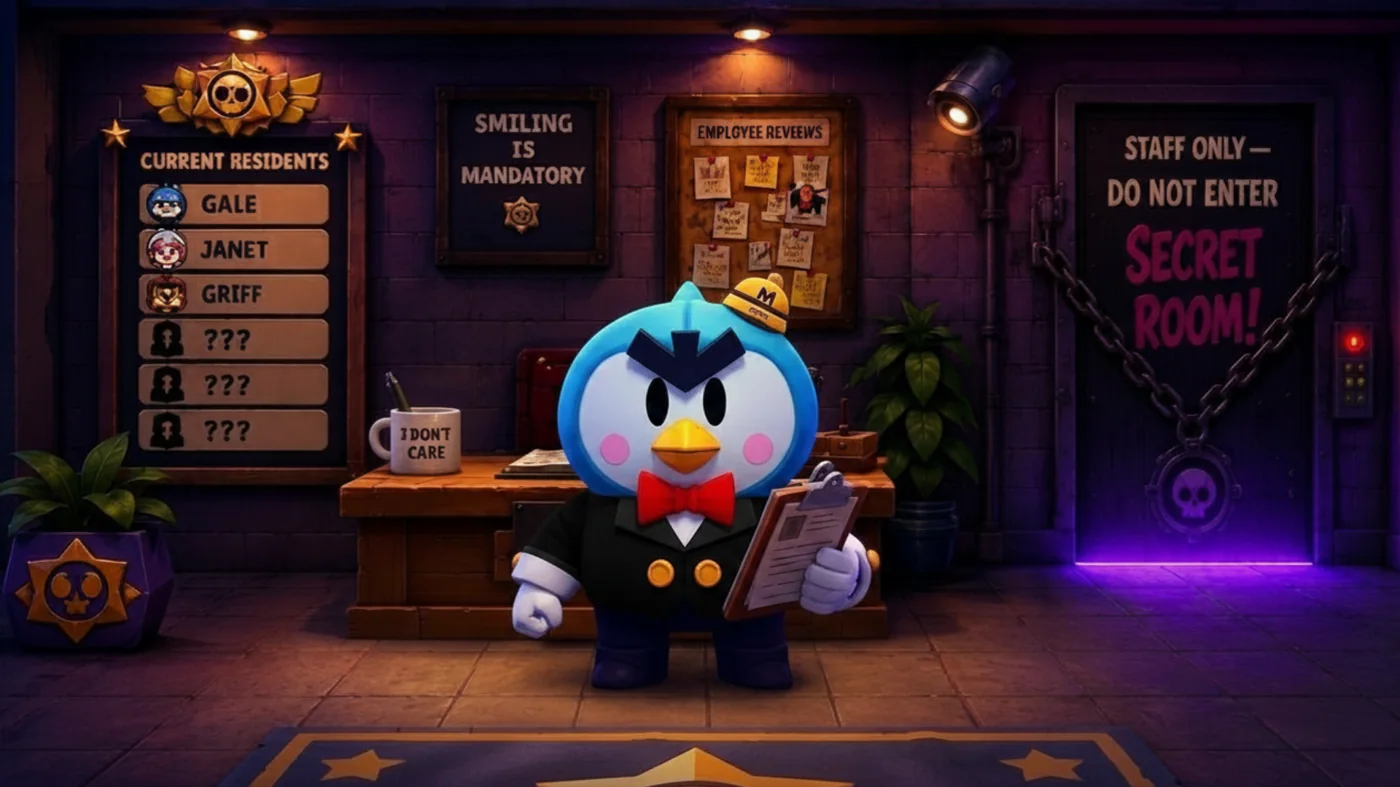
"Smiling is mandatory. Questions about the back rooms are not encouraged."
Every resident knows a piece. None of them knows all of it. Talk to everyone, compare what they let slip, and the shape of what Starr Labs is really doing starts to come together — on Reddit, on Discord, in the theories.
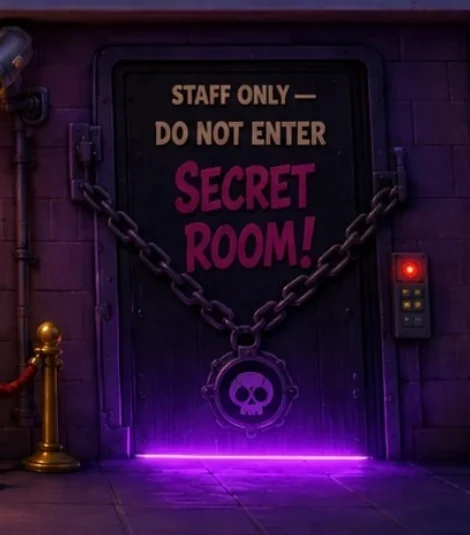
There's a room in the BrawlHouse that stays chained shut. Only the community can open it. Each Super Creator gets one lore fragment — no two the same, no single one enough on its own. Pool the clues and the door gives. No brief needed: they've got something exclusive, their audience wants in, and the campaign runs itself. What's behind it? That's the part you have to find out for yourself.
Rather than pitch it in slides, I built a working prototype: four playable rooms — Gale, Janet, Griff and Mr. P — each with their own personality and a piece of the mystery. Connect the mock Supercell ID and all four run on live AI, each bound by the same guardrails, so the conversation stays responsive while the puzzle stays exact.
▶ Try the prototypeThe game is the proof. Here's the thinking behind it — the gap it fills, the precedent it builds on, and what success would look like.
Brawl Stars ships a major update every 5–6 weeks. Each one is a marketing moment — Brawl Talk drops, creators post, the community reacts. By week two it's back at baseline. Players get the update information; they just don't get to interact with it. Nothing bridges the gap between cycles.
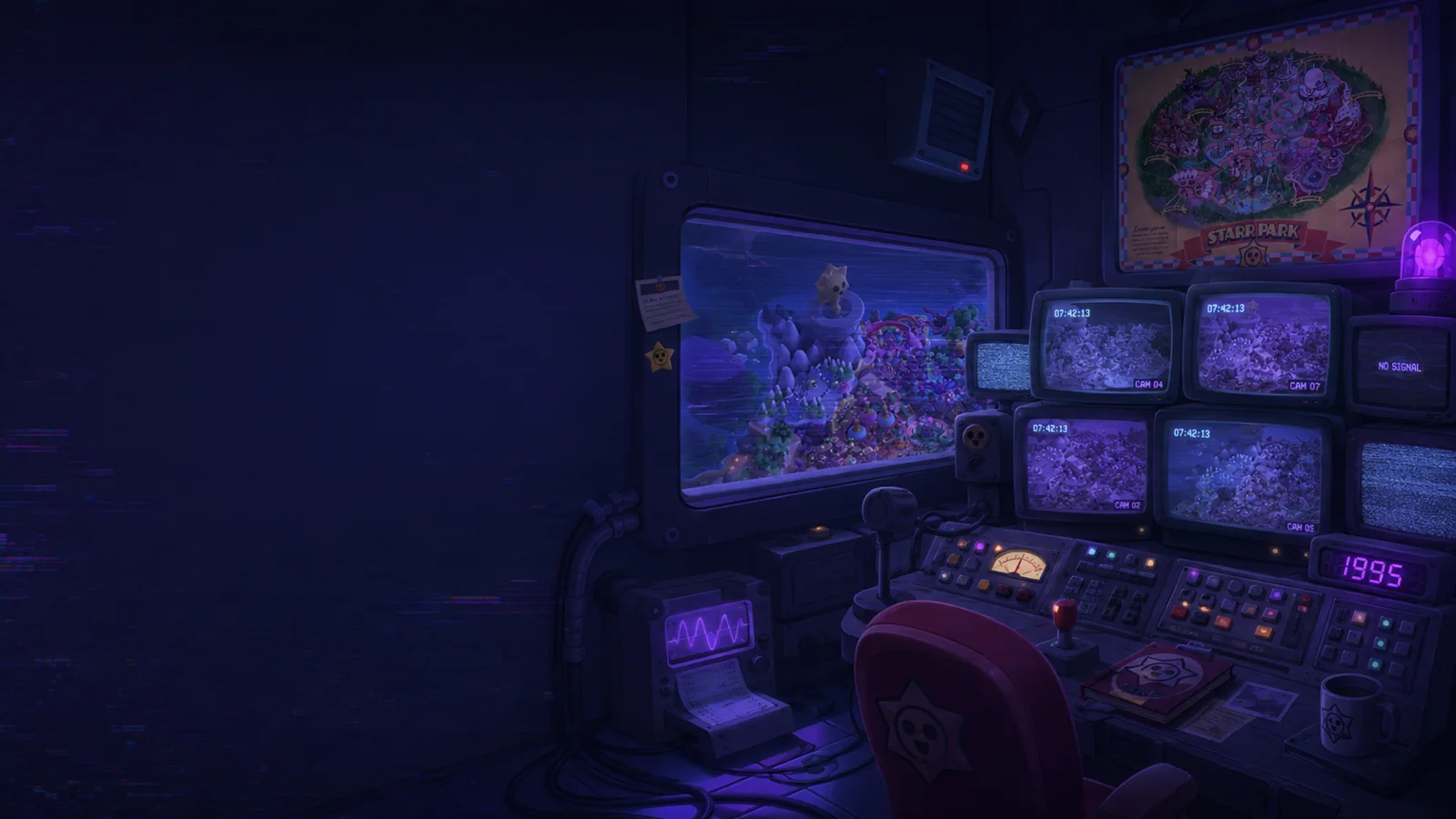
For Brawl Stars' 5th anniversary, Supercell built an interactive Starr Park CCTV experience — hidden timecodes, unlockable story drops. It became the biggest organic engagement moment in the game's history. The BrawlHouse takes that same lore-discovery instinct and makes it conversational, and repeatable every season.
Source: Supercell published figures
A lower lift to build, designed to repeat rather than fire once. Targets set against the CCTV benchmark:
The deck covers cross-team execution, the GTM timeline, in-game integration touchpoints, AI safety guardrails, the monetisation layer, and a phased prototype-to-launch roadmap.